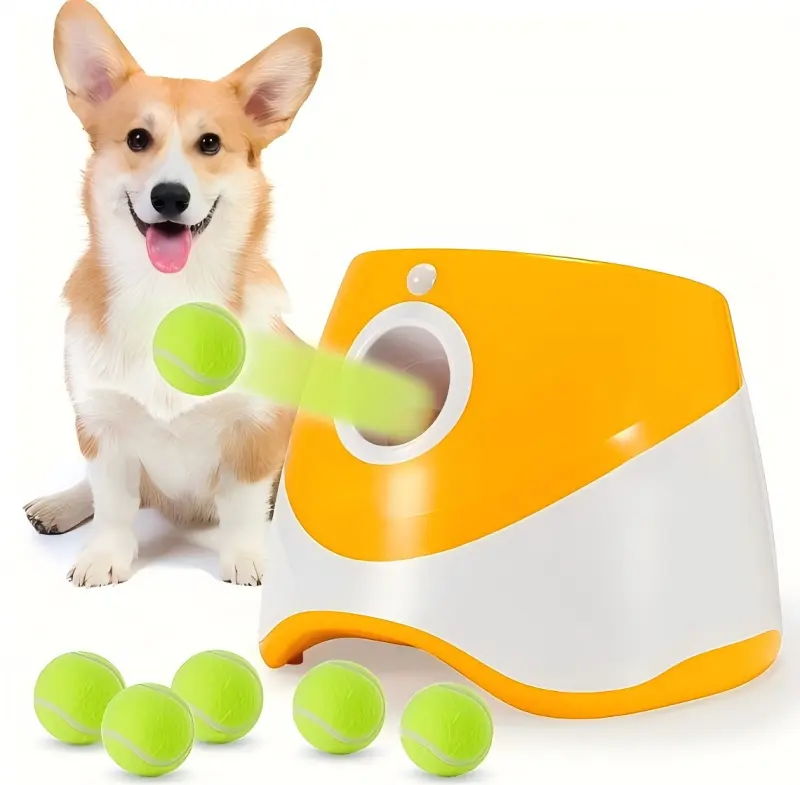
Wholesale pet supplies have evolved far beyond basic bowls, toys, collars, and grooming tools. For modern pet retailers, distributors, online stores, and private-label brands, the right product portfolio can include smart feeders, water fountains, pet trackers, grooming tools, interactive toys, and automated pet-care products.
But successful B2B sourcing is not simply about finding products at a low price. Retailers need to consider product quality, supplier reliability, customization, packaging, minimum order quantities, and long-term supply stability. Choosing the right manufacturing partner can make the difference between a product that simply fills a catalog and one that supports sustainable retail growth.
This guide explores three practical strategies for sourcing pet products and building a stronger product line in 2026.
1. Choose Wholesale Pet Supplies Around Your Target Market
The first step is to understand who you are selling to. A local pet store may focus on everyday grooming products, toys, feeders, and accessories, while an online retailer may prefer compact products that are easy to ship and have a clear consumer benefit. Distributors and private-label brands often need a broader range, stable production, and greater customization flexibility.
For this reason, product selection should start with your customers rather than a supplier’s catalog.
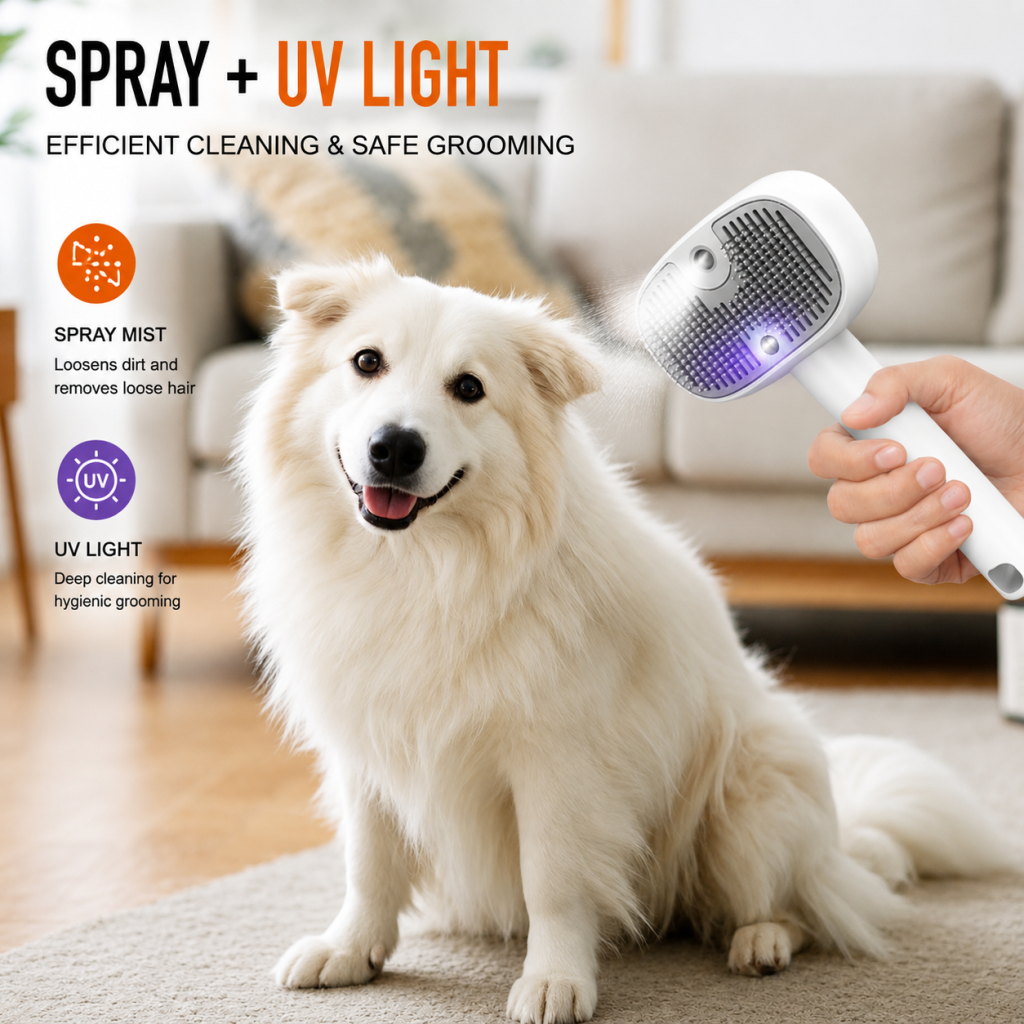
A balanced pet product portfolio can combine established everyday products with newer technology-driven categories. Dog grooming tools, for example, can provide practical products for routine pet care, while smart feeders, water fountains, trackers, and automatic litter boxes can help retailers expand into higher-value product categories.
Fortkunpet’s product range covers several of these areas, including smart pet feeders and water fountains, GPS trackers, automatic cat litter boxes, pet air purifiers, smart toys, and pet training devices. This gives B2B buyers the flexibility to explore different categories while working with a single pet product manufacturer.
When selecting products, also consider how easily they can fit into your existing sales channels. Products with clear functions, straightforward packaging, and easy-to-understand benefits are generally easier for retailers to present both online and in physical stores.
2. Evaluate the Supplier Beyond the Product Price
When comparing wholesale pet supplies, product price is only one part of the purchasing decision. An experienced B2B buyer also looks at whether the supplier can maintain consistent specifications, communicate clearly during production, provide samples, and support customization when needed.
A reliable manufacturer should be able to explain the product’s materials, specifications, MOQ, packaging, production schedule, quality-control process, and available customization in a clear and consistent way. This information gives buyers a better basis for comparing suppliers and estimating the real cost of bringing a product to market.
For retailers developing their own brands, OEM, ODM, and private-label capabilities are particularly important. Depending on the project, customization may involve logo printing, packaging design, colors, product configuration, or even product development. Working with a manufacturer that understands both production and customization can also reduce the need to coordinate multiple suppliers.
Fortkunpet currently positions itself as an OEM/ODM manufacturer for smart pet products and states that it supports product customization, samples, quality control, and international compliance requirements. Its stated standard bulk-order lead time is generally 15–30 days, depending on order quantity and customization.
Before placing a larger order, requesting samples is also a practical way to evaluate the actual product rather than relying only on specifications or product photography. This is especially important for products involving electronics, moving components, batteries, or multiple functional parts.
Price should therefore be viewed together with quality, customization, packaging, production consistency, and future reorder capability. A supplier that can support the entire purchasing process may ultimately be more useful than one offering the lowest initial quotation.
3. Build a Product Portfolio That Can Grow With Your Business
The third strategy is to think beyond individual SKUs.
Retailers often achieve greater flexibility when their product portfolio includes several related categories instead of depending on a single type of product. For example, a store selling dog products could combine grooming tools, training products, toys, feeders, and pet safety devices. A cat-focused retailer could combine water fountains, automatic feeders, litter boxes, grooming products, and interactive toys.
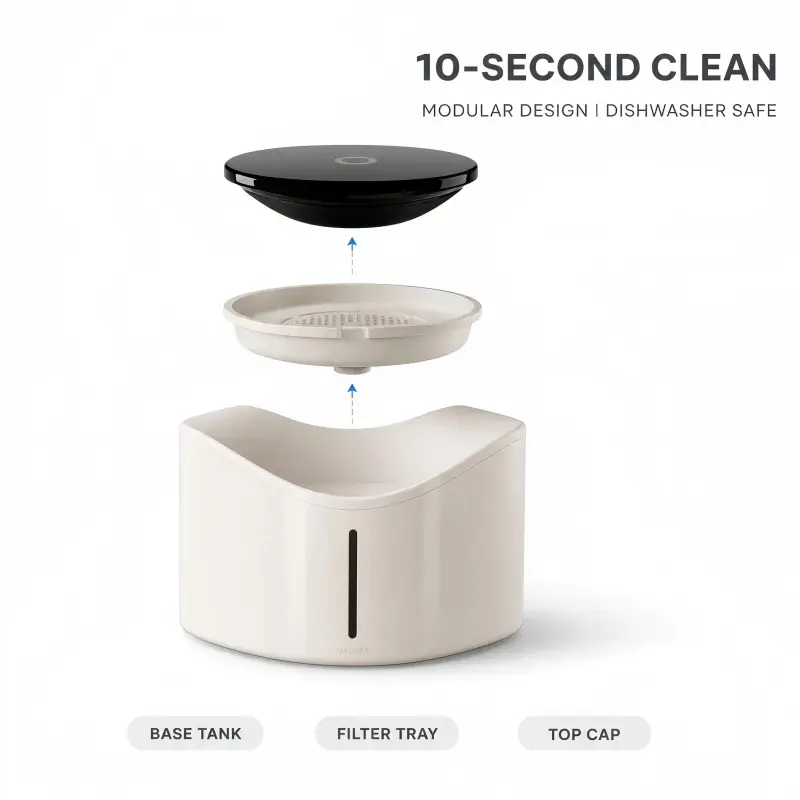
Smart pet technology is particularly useful for creating a more differentiated product range. Products such as automatic feeders and smart water fountains can address everyday feeding and hydration needs, while pet trackers and monitoring devices offer technology-focused solutions for modern pet owners.
Fortkunpet’s Smart Pet Feeder & Water Fountain range, for example, is designed for cats and dogs and includes automated feeding and water-fountain solutions. The manufacturer also presents these products as part of its B2B and OEM/ODM offering.
For grooming-focused retailers, practical products such as a Pet Double-Sided Dematting Rake can complement other daily-care products without requiring customers to understand complicated technology. This type of product can work well alongside brushes, grooming accessories, toys, and other pet-care essentials.
A broader product portfolio also creates opportunities for repeat purchasing. Once a retailer has tested a product successfully, related products from the same supplier can be introduced gradually rather than rebuilding the entire sourcing process from the beginning.
What Should Retailers Consider Before Placing a Bulk Order?
Before purchasing wholesale pet supplies, take time to confirm the complete product and purchasing requirements with the supplier. Product specifications should be finalized before production, while packaging, branding, MOQ, lead time, and shipping arrangements should be agreed upon in advance.
For customized products, the sample should also reflect the final production requirements as closely as possible. This helps reduce misunderstandings around materials, colors, functions, packaging, and branding.
It is equally important to understand your own sales market. A product that performs well in one region may require different packaging, certifications, electrical specifications, or consumer positioning in another. For B2B buyers, early communication about the destination market can make the sourcing process more efficient.
Wholesale Pet Supplies for Retailers, Distributors, and Private-Label Brands
The needs of B2B buyers vary, but the underlying sourcing principle remains the same: choose products that fit your market and work with a supplier that can support your business beyond the first order.
Retailers may prioritize flexible quantities and products that are easy to sell. Distributors may place greater emphasis on consistent production and a broader SKU range. Private-label brands usually require stronger customization capabilities, including branded packaging and product development.
For all three, supplier communication and production reliability matter just as much as the product itself.
Sourcing wholesale pet supplies successfully requires more than comparing product prices. The strongest purchasing decisions come from understanding your target market, selecting products that fit your sales strategy, and evaluating manufacturers based on quality, customization, communication, and long-term supply capabilities.
For retailers entering smart pet technology, distributors expanding their product range, or brands developing private-label pet products, a flexible manufacturing partner can make product development and sourcing much easier.
Explore Fortkunpet’s product range to find products for your next retail collection, or contact the team to discuss wholesale, OEM, ODM, and private-label requirements.